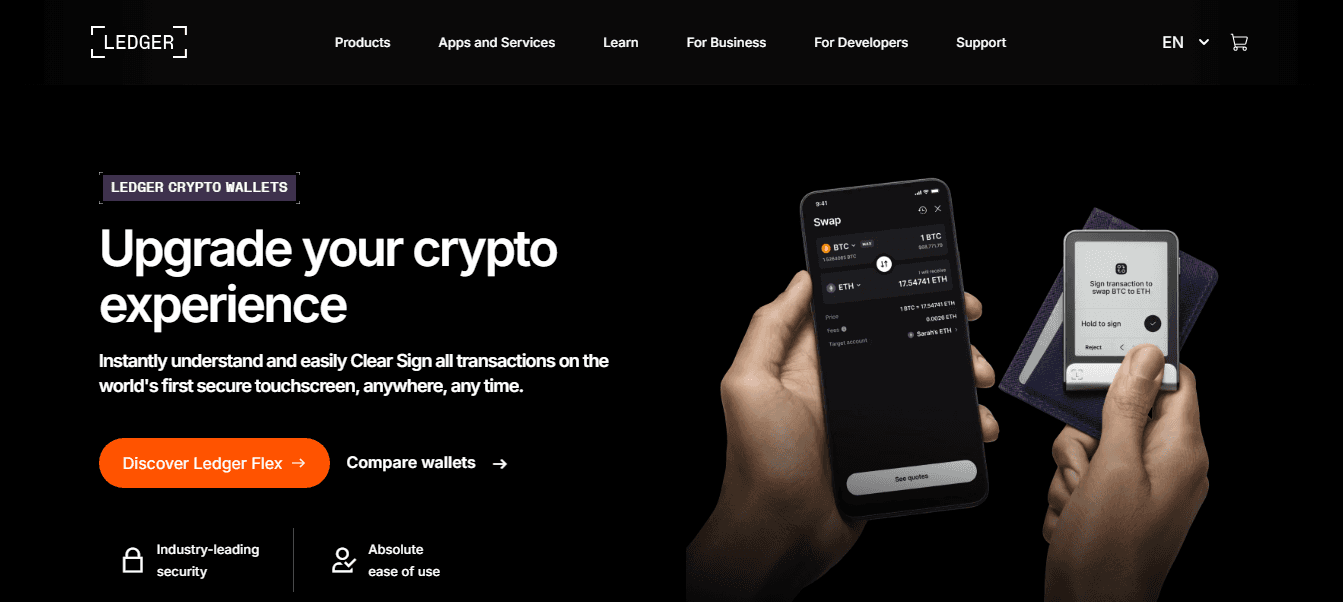
Ledger Login: A Secure and Password-Free Way to Access Digital Services
Ledger Login is an innovative authentication solution designed to provide a secure, password-free method for accessing digital services. Built on the same security principles that protect Ledger hardware wallets, Ledger Login allows users to sign in to compatible platforms using cryptographic verification instead of traditional usernames and passwords. This approach significantly reduces the risks associated with password theft, phishing attacks, and data breaches, offering a safer and more modern login experience.
As online security threats continue to evolve, Ledger Login introduces a new way to verify identity that places control directly in the hands of the user. By combining hardware-based security with cryptographic authentication, it represents a major step forward in protecting digital identities.
The Concept Behind Ledger Login
Traditional login systems rely on passwords stored on centralized servers. Even when encrypted, these passwords remain vulnerable to leaks, hacking attempts, and social engineering attacks. Ledger Login replaces passwords with secure cryptographic keys stored on a Ledger hardware device.
Instead of remembering complex passwords, users authenticate by physically confirming login requests on their hardware wallet. This ensures that only the rightful owner of the device can approve access. Because private keys never leave the hardware wallet, there is no sensitive data exposed to the internet.
This design aligns with the principles of decentralization and self-custody, allowing users to maintain full control over their digital identity without depending on third-party credential storage.
How Ledger Login Works
Ledger Login functions as a secure bridge between a user’s hardware wallet and a supported digital service. When a user attempts to log in, the service sends a cryptographic challenge. This challenge must be approved and signed by the Ledger device.
The user connects their Ledger hardware wallet and confirms the login request on the device screen. Once approved, a cryptographic signature is generated, proving ownership of the identity without revealing any private information. The login process is completed without passwords, usernames, or personal data being shared.
This method ensures that authentication is both secure and user-controlled, with physical confirmation acting as a critical security layer.
Enhanced Security Through Hardware Authentication
One of the strongest advantages of Ledger Login is its reliance on hardware-based security. Unlike software-only authentication methods, hardware wallets are designed to resist malware, keyloggers, and remote attacks.
Even if a computer or mobile device is compromised, an attacker cannot log in without physical access to the Ledger hardware wallet. Every login request must be manually approved, making unauthorized access extremely difficult.
This physical confirmation requirement dramatically reduces the effectiveness of phishing attempts. Fake websites and malicious prompts cannot complete a login without the user’s direct approval on the device, providing a powerful defense against common cyber threats.
Privacy-Focused Authentication
Ledger Login is built with privacy in mind. Traditional login systems often collect and store personal data, creating centralized databases that are attractive targets for hackers. Ledger Login minimizes data exposure by eliminating the need for personal identifiers such as email addresses or passwords.
Authentication relies solely on cryptographic proof, ensuring that no sensitive personal information is transmitted during the login process. This privacy-first approach helps users maintain anonymity and control over their digital presence.
By reducing reliance on centralized identity storage, Ledger Login supports a more private and secure internet experience.
User Experience and Ease of Use
Despite its advanced security model, Ledger Login is designed to be user-friendly. The login process is straightforward and intuitive, requiring only a few steps to complete. Users connect their Ledger device, review the login request, and approve it directly on the device.
This streamlined experience removes the frustration of remembering multiple passwords or dealing with password reset procedures. Over time, users benefit from a faster and more reliable way to access supported services.
Ledger Login strikes a balance between strong security and everyday usability, making it accessible even to users with limited technical experience.
Protection Against Phishing and Data Breaches
Phishing attacks remain one of the most common methods used to compromise online accounts. Ledger Login significantly reduces this risk by removing passwords entirely from the login process.
Since there are no passwords to steal, attackers cannot use fake login pages to trick users into revealing credentials. Even if a user interacts with a malicious site, the login cannot be completed without cryptographic approval from the hardware wallet.
Additionally, because Ledger Login does not rely on centralized password databases, large-scale data breaches become far less impactful. There are no stored passwords for attackers to exploit.
Use Cases and Practical Applications
Ledger Login is well suited for platforms that prioritize security, such as digital finance services, blockchain applications, and privacy-focused platforms. It provides a strong authentication layer for users who want to protect sensitive accounts and data.
The system is particularly valuable for users managing high-value digital assets or accessing platforms where security is critical. By using Ledger Login, users can ensure that access to their accounts is protected by the same level of security as their digital assets.
As more platforms adopt password-free authentication, Ledger Login represents a forward-looking solution aligned with modern security needs.
A Step Toward Decentralized Identity
Ledger Login supports the broader vision of decentralized identity, where individuals control their own credentials rather than relying on centralized authorities. By using cryptographic proof stored on a personal hardware device, users become the sole owners of their digital identity.
This approach reduces dependence on third-party identity providers and minimizes the risk of mass surveillance or data misuse. Ledger Login empowers users to authenticate on their own terms while maintaining high security standards.
Decentralized identity models are increasingly seen as the future of digital authentication, and Ledger Login plays an important role in this transition.
Reliability and Long-Term Security
Ledger Login benefits from the proven security architecture of Ledger hardware wallets, which are designed for long-term reliability. The hardware devices use secure elements and isolated environments to protect cryptographic operations.
Regular firmware updates help ensure continued compatibility and resistance to emerging threats. This commitment to long-term security makes Ledger Login a dependable choice for users seeking a sustainable authentication solution.
Ideal for Security-Conscious Users
Ledger Login is especially well suited for users who prioritize security and privacy. Individuals who are concerned about account takeovers, identity theft, or data breaches can benefit from its hardware-based authentication model.
At the same time, its ease of use makes it practical for everyday access. Users gain peace of mind knowing that their login process is protected by physical confirmation and cryptographic verification.
Conclusion
Ledger Login offers a modern, secure, and password-free approach to digital authentication. By leveraging hardware-based cryptographic verification, it eliminates many of the vulnerabilities associated with traditional login systems. Users retain full control over their identity, benefit from enhanced privacy, and enjoy protection against phishing and data breaches.
As online security challenges continue to grow, Ledger Login stands out as a forward-thinking solution that combines strong security with ease of use. It represents an important step toward a safer and more user-controlled digital future.